
Loading...
Precision Pueblo Concrete & Masonry serves Florence with brick repair, tuckpointing, and foundation work built for the Arkansas River Valley climate. We know the older homes here and reply to every call within one business day.
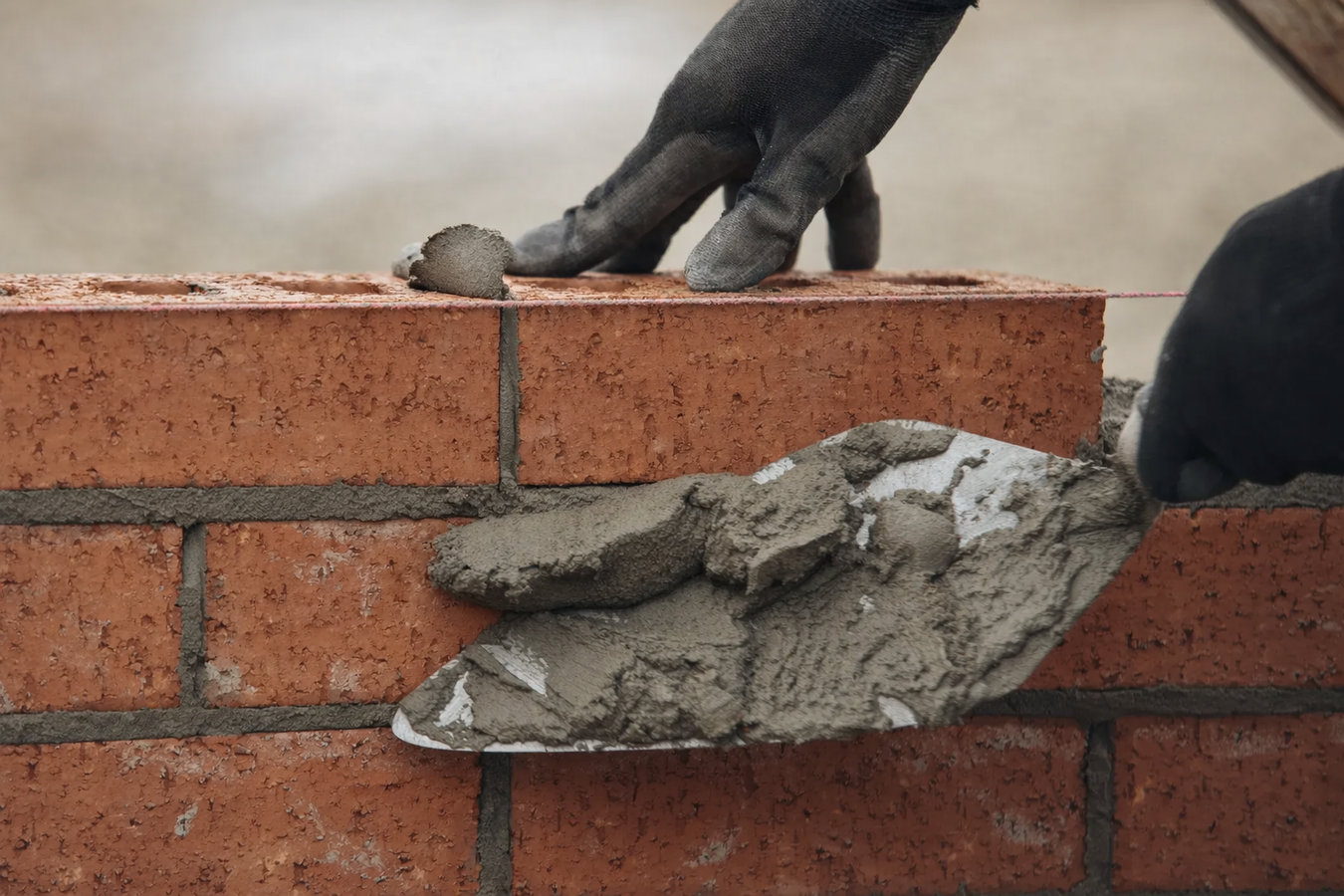
Florence's Victorian and Craftsman-era homes were built with brick that has now been through more than a century of Fremont County winters and summer heat. When brick faces spall, crack, or shift, our brick repair service replaces damaged units and repoints the surrounding mortar so the repaired section matches the original as closely as possible.
At 5,200 feet elevation, Florence winters cycle above and below freezing through most of the season, and that movement breaks down mortar joints steadily over the years. Tuckpointing removes the failed mortar and resets the joints with fresh material, stopping moisture infiltration before it reaches the brick core and the wall behind it.
Florence sits on clay-heavy Arkansas River Valley soil that expands when it gets wet and contracts when it dries out. That seasonal movement is a leading cause of cracked foundations on older in-town homes, especially those on the lower valley-floor lots where drainage is slower after heavy rains. Catching cracks while they are still narrow saves significantly compared to repairing a wall that has already shifted.
Florence's historic downtown and surrounding residential blocks have original masonry that has been through decades of patching, painting over, and neglect. Restoration work goes deeper than surface repair, cleaning the masonry, removing incompatible patch materials, repointing deteriorated joints, and stabilizing any sections that have moved out of alignment.
Many of Florence's older homes have original brick chimneys that predate modern crown and flashing standards. After decades of intense UV exposure and hard winters, crowns crack, caps fail, and mortar joints at the top of the stack open up, letting water in each time it rains or snows. Repairing the chimney before water reaches the interior framing is far less disruptive than dealing with water damage afterward.
Florence's in-town lots typically have front walks and entry paths that have been through repeated freeze-thaw cycles on clay soil, which heaves concrete and cracks mortared stone. A properly built masonry walkway with adequate base depth handles the ground movement better and holds its level through the seasons longer than a slab poured directly on unstable fill.
Florence grew rapidly during the oil and coal boom years of the late 1800s, and most of the homes standing today were built during that era. A large share of the housing stock is well over 100 years old, built with brick, mortar, and framing methods that were standard at the time but require specialized knowledge to repair correctly today. When mortar fails or brick faces deteriorate, the repair is not just cosmetic, it involves understanding how those original materials were assembled and what compatible replacement materials will hold up long-term.
The Arkansas River Valley location compounds the maintenance challenge. The clay-heavy soils in and around Florence expand with spring moisture and shrink in summer dry spells, and that ground movement puts sustained stress on foundations and any masonry at grade. At 5,200 feet, winters are hard enough to freeze the ground solid and run repeated freeze-thaw cycles through March and April, which deteriorates mortar joints and spalls brick faces faster than many homeowners expect. According to the USDA Web Soil Survey, clay-heavy soils like those common in Fremont County have high shrink-swell potential, making foundation monitoring a routine part of home ownership in Florence.
Our crew works throughout Florence regularly, and we understand the local conditions that affect masonry work here. The homes near Florence's historic downtown antique district sit on some of the oldest lots in town, and the brick and mortar on those properties reflects construction practices from the 1890s and early 1900s. Working on houses this old requires sourcing compatible mortar mix and brick units that match the originals, not just applying standard repair materials that may look wrong or fail faster than expected.
Florence is laid out on the valley floor along CO-67, with most of the residential neighborhoods filling the grid-plan blocks between downtown and the town edges. Properties on the lower-lying lots near the river deal with more drainage pressure after heavy rains than the slightly elevated street blocks do. We cover all parts of Florence, from the older Victorian-era streets near City Hall to the newer homes on the outskirts of town near Pathfinder Regional Park.
Florence sits just a few miles east of Canon City, and the two communities share the same climate, the same building stock era, and the same soil conditions. We work in both areas on the same schedule, so location is never a reason to delay getting your project assessed.
Call us or submit an online estimate request. We respond within one business day and find a time that works with your schedule, including evenings or weekends if that is easier.
We come to your Florence property, look at the actual damage in person, and provide a written estimate at no charge. We explain what we found, why the damage occurred, and what the repair involves, so there are no surprises when the invoice arrives.
Once you approve the estimate, we schedule the job and arrive on the agreed date. Most brick repair and tuckpointing jobs in Florence wrap in one to two days. You do not need to be present for the entire project, and we let you know when we are finishing up.
We walk through the finished work with you before we leave, answer any questions, and clean up the work area completely. If anything does not meet the standard we described in the estimate, we fix it before we go.
We serve all of Florence and the surrounding Arkansas River Valley. No charge for the estimate, and we respond within one business day.
(719) 750-0092Florence is a small city of about 4,000 people in Fremont County, situated in the Arkansas River Valley between the Wet Mountains to the south and the high plains to the east. The town grew quickly during the oil and coal boom of the late 19th century, earning it a lasting character tied to that era. Today Florence is known across Colorado as the Antique Capital of Colorado, with dozens of antique dealers operating out of historic downtown storefronts in well-preserved 19th-century brick commercial buildings. The same care for old things that defines the antique trade here extends to the residential neighborhoods, where many homeowners are invested in maintaining century-old homes.
The residential core of Florence is made up predominantly of detached single-family homes on modest in-town lots, many of them Victorian-era or Craftsman bungalow-style houses built in the 1880s through 1920s. These homes sit on a grid-plan street layout typical of late-19th-century western towns, with alley access on many older blocks. Newer homes on the town edges reflect later construction but sit on the same clay-heavy soils. The neighboring community of Canon City is just a few miles west along US-50 and shares the same building history, climate, and masonry maintenance needs.
Control erosion and define your landscape with a solid retaining wall.
Learn MoreRevive aging masonry structures to their original strength and appearance.
Learn MoreAdd warmth and character to any room with a custom masonry fireplace.
Learn MoreEnhance curb appeal with natural or manufactured stone veneer cladding.
Learn MoreBuild strong, versatile walls using precision-laid concrete masonry units.
Learn MoreCreate a reliable block-wall foundation built for long-term stability.
Learn MoreCreate safe, attractive walkways from premium stone, brick, or pavers.
Learn MoreAdd timeless structure and style with expertly installed brick walls.
Learn MoreCall us today or request a free estimate online - we cover all of Florence and Fremont County and respond within one business day.