Loading...
Worn-out mortar joints let Pueblo's freeze-thaw winters chip away at your brick from the inside. We grind out the old material, pack in color-matched mortar, and leave your wall ready for whatever the next season brings.
Tuckpointing in Pueblo, CO means removing the crumbling mortar between your bricks and replacing it with fresh material that matches your existing wall - most residential jobs on a chimney or a wall section finish in one to three days. The joints are the sacrificial layer that protects your brick: when they fail, water takes over.
If you have noticed white chalky streaks on your brick, mortar that crumbles when you press it, or gaps forming along joint lines after a hard winter, those are signs the mortar has broken down. Left alone, water gets behind the brick, freezes, expands, and starts pushing the brick face apart - a process that turns a modest repair into a much bigger project. Acting early keeps the cost manageable.
Tuckpointing is often the first step before addressing related masonry work. If your chimney joints are failing, for example, that issue often pairs with brick repair when freeze-thaw damage has already reached the brick faces. We assess both during the same site visit so you get one clear picture of what needs to happen.
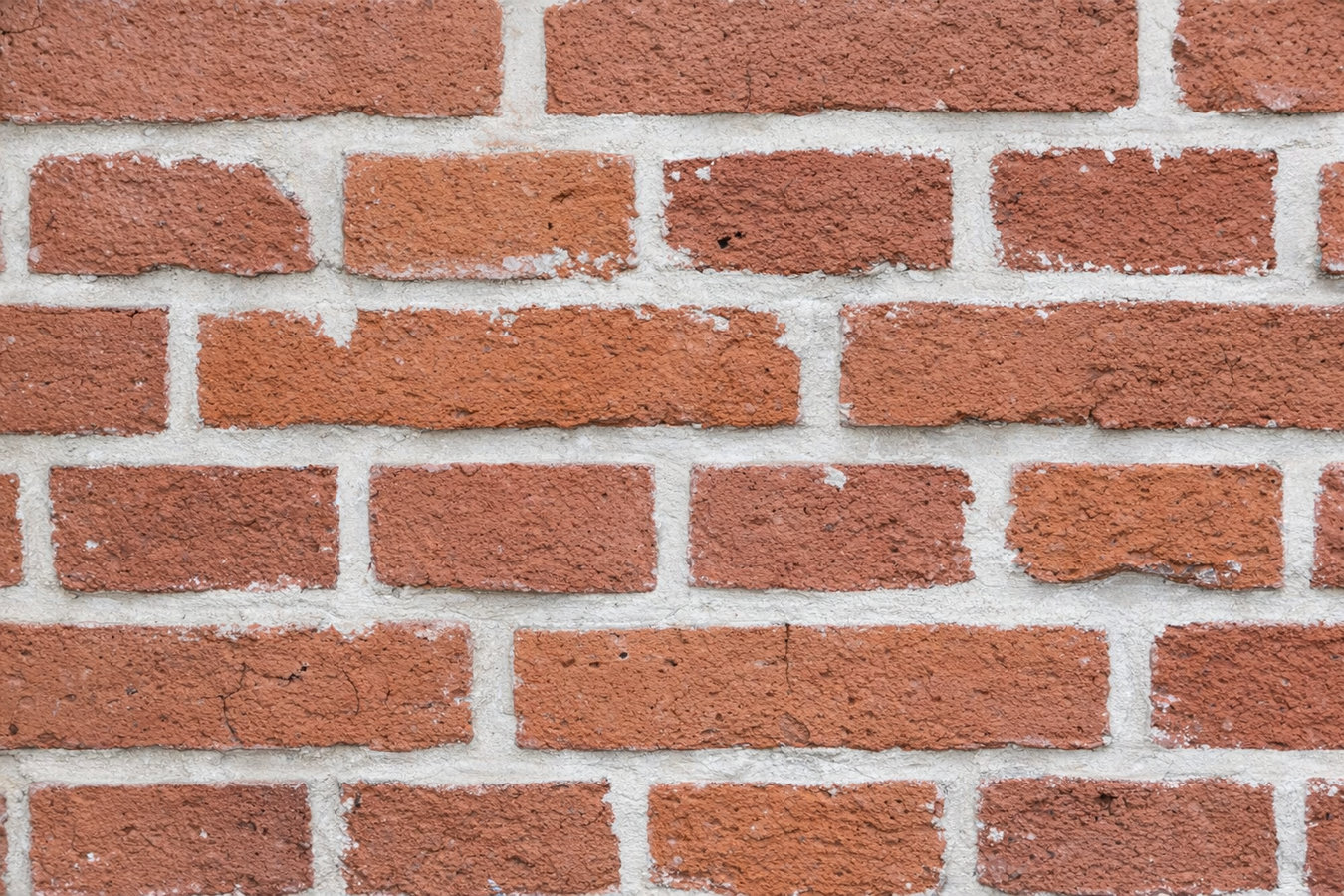
Stand a few feet from your brick wall and look at the mortar lines. If they look sunken, sandy, or like you could poke them and they would crumble, the mortar has broken down. In Pueblo, this kind of surface deterioration is common on homes that have been through many freeze-thaw cycles without maintenance - especially on south- and west-facing walls.
Those white stains are efflorescence - they form when water moves through the masonry and carries dissolved salts to the surface. It is a sign water is actively getting into your wall, and failing mortar joints are one of the most common entry points. In Pueblo's dry climate, these stains can appear and fade quickly, so do not dismiss them just because they are not there every day.
A visible gap - even a hairline crack - between the mortar and the edge of a brick gives water a direct path into your wall. This is especially worth watching for on south- and west-facing walls in Pueblo, where intense sun and temperature swings stress the joint-to-brick bond over time. Once that gap forms, it widens a little more with each freeze.
Chimneys are the most exposed masonry on most homes, and in Pueblo's climate they take a beating from sun, wind, and freeze-thaw cycles year after year. If you cannot remember the last time someone looked at your chimney's mortar joints, that is reason enough for a mason to take a look - especially before you start using a fireplace in the fall.
Every tuckpointing job starts with a close look at the wall - checking joint depth, mortar type, and whether any bricks are already compromised. The actual work involves grinding out old mortar to a consistent depth, then packing in fresh material that matches your existing wall's color and profile. For older Pueblo homes built before the 1950s with lime-based mortars, we select a mortar mix suited to the original brick's softness, so the new material does not cause cracking in the surrounding masonry. We also offer brick pointing for projects where restoring a specific historic joint profile is part of the goal.
Color matching is one of the most important parts of the job and one of the most commonly skipped. We test a sample area before committing to the full run, because mortar shifts color as it cures and what looks right wet will often look wrong dry. The finished result should look like it was always there - not like a patch. If you are in a historic area of Pueblo, we are familiar with the City of Pueblo's design guidelines and can advise on what materials and finishes are appropriate for your neighborhood.
Suits homeowners with deteriorating chimney joints who want to stop water entry before it reaches the firebox or attic.
Ideal for brick homes with widespread joint wear across one or more facades, especially after hard winters.
For older Pueblo homes where lime-based mortar must be replicated to protect the original soft brick from cracking.
Restores the mortar in brick or stone retaining walls that have been stressed by Pueblo's clay soil movement.
Targeted repair for isolated areas of joint failure - the practical choice when only a small section needs attention.
After a Pueblo hail event, we assess and repoint joints that have been chipped or cracked by impact.
Pueblo sits at roughly 4,700 feet and sees significant temperature swings - cold overnight freezes followed by warm, sunny days. That repeated freeze-thaw cycle is one of the most destructive forces mortar faces, because water that seeps into a joint expands when it freezes and slowly breaks the joint apart from the inside. Pueblo's intense sun - the city averages over 300 days of sunshine per year - also dries out mortar joints over time, causing them to shrink, crack, and pull away from the brick face. South- and west-facing walls tend to show wear faster than shaded sides. The Brick Industry Association notes that climate-appropriate mortar selection is one of the most critical factors in long-term joint performance.
Pueblo also has a substantial inventory of older brick homes, particularly in Pueblo neighborhoods like Bessemer and the Eastside, and in communities like Canon City that share similar historic housing stock. These homes were built with softer, lime-based mortars that behave differently from modern cement-based products. Using the wrong replacement mortar can actually damage the original bricks - a mistake that is common when contractors apply one-size-fits-all products without checking what the wall was originally built with. We assess before we mix.
You describe what you are seeing and where - a few photos help but are not required. We respond within one business day and schedule a visit to look at the wall in person before giving you any numbers.
We walk the affected area, check joint depth, assess the mortar type, and look for any bricks that are already compromised. You get a written estimate that spells out scope, materials, timeline, and total cost - no verbal quotes for any real-sized job.
We grind out old mortar to a consistent depth - roughly three-quarters of an inch - without damaging surrounding brick. Fresh mortar is then packed in layers, tooled to match your existing joint profile, and cleaned off the brick faces before we leave.
Fresh mortar needs 24 to 48 hours to harden before it gets wet. We walk you through what was done, what to avoid during curing, and what to watch for in the weeks after - including how the color will shift slightly as the mortar weathers in.
Written estimate before any work starts. No pressure, no obligation.
(719) 750-0092We test a sample area and let it cure before committing to the full job, because mortar color shifts as it dries. A visible patch on a front wall is not a finished job. We take the time to blend the repair so the finished result looks like the wall was always that way.
We know the difference between lime-based mortars used in Pueblo's early-1900s homes and modern cement mixes - and we know why using the wrong one damages the original brick. If your home is in the Bessemer or Eastside neighborhoods, we have worked on walls just like yours.
You will know the full scope, materials, and total cost in writing before we start. No verbal agreements, no surprise add-ons. The estimate is also your reference point if anything looks different from what was agreed to by the time we are done.
We carry general liability and workers' compensation coverage on every job. The Colorado Department of Regulatory Agencies licenses masonry contractors, and we maintain that credential so you are protected if something goes wrong on your property.
Tuckpointing done right is invisible - you should not see the repair, only a wall that looks solid and even. That standard is what we hold ourselves to on every job in Pueblo, whether it is a single chimney or a full exterior repoint.
When tuckpointing alone is not enough because the bricks themselves are cracked or spalling, brick repair addresses the damaged units directly.
Learn MoreBrick pointing focuses on restoring the profile and finish of mortar joints to a specific historic or decorative standard.
Learn MoreMortar that is failing now will be worse by spring - reach out today for a written estimate with no obligation.